
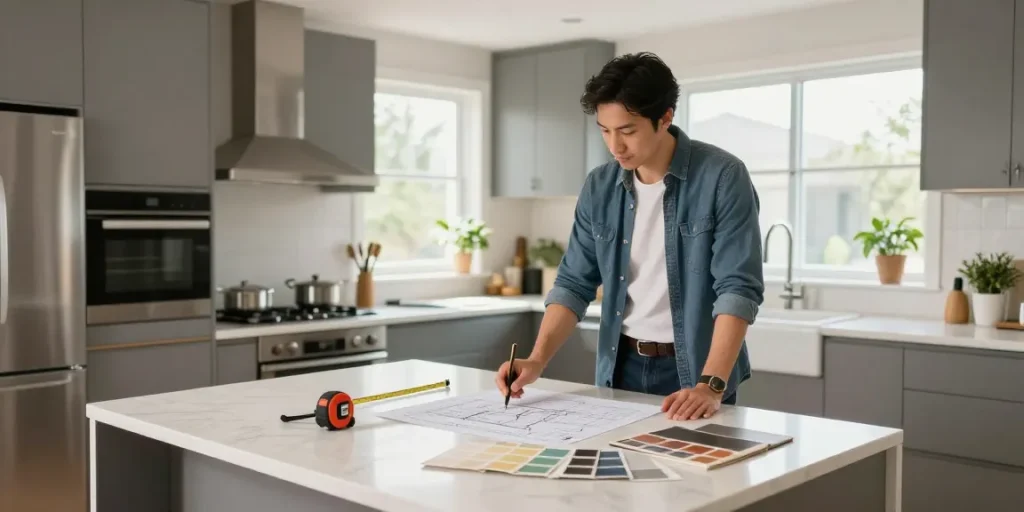
Understanding Modern Kitchen Style Trends
The kitchen has long been considered the heart of the home, evolving from a mere cooking space into a multifunctional area that reflects personal style and accommodates family life. As we approach 2026, staying abreast of the latest kitchen style trends is essential for homeowners looking to blend aesthetics with functionality. A well-styled kitchen not only enhances the beauty of a home but also maximizes usability, making cooking and entertaining a pleasure rather than a chore. When exploring options, style plays a crucial role in defining the overall ambiance and efficiency of the kitchen space.
Key Elements of Contemporary Kitchen Design
Contemporary kitchen design incorporates simplicity, open spaces, and a blend of modern technology with organic materials. Key elements include:
- Minimalist Design: Clean lines, uncluttered surfaces, and a focus on functionality.
- Color Schemes: Neutral palettes combined with bold accent colors are prevalent, creating a perfect balance of warmth and modernity.
- Functional Layouts: Open floor plans that prioritize flow and accessibility are becoming increasingly popular.
- Smart Technology: Integration of smart appliances and systems simplifies cooking and enhances energy efficiency.
How to Choose Your Kitchen Style
Choosing the right kitchen style involves a combination of personal taste and practical considerations. Here are steps to guide your decision:
- Assess Your Needs: Consider how you use your kitchen, whether for cooking, entertaining, or both.
- Research Styles: Explore various kitchen styles such as farmhouse, modern, traditional, and industrial to see what resonates with you.
- Visualize the Space: Use design software or work with a designer to visualize how different styles will look in your space.
- Budget Considerations: Determine what you can afford, factoring in the costs of materials, appliances, and labor.
Popular Color Palettes and Materials for 2026
As we look ahead to 2026, certain colors and materials are set to dominate kitchen designs:
- Earthy Tones: Warm beige, terracotta, and muted greens that bring a touch of nature indoors.
- Bold Accents: Deep jewel tones like emerald and sapphire for cabinetry or decorative accents.
- Natural Materials: Sustainable wood, stone, and eco-friendly cabinetry are top choices.
- Mixed Metals: Combining different metal finishes such as brass and stainless steel creates a unique, layered look.
Planning the Kitchen Remodeling Timeline
Achieving a successful kitchen remodel requires careful planning and a clear timeline. From design inception to project completion, each step needs to be accounted for to minimize disruptions and ensure efficiency. Understanding the timeline for each phase will help you manage expectations and coordinate with contractors effectively.
Step-by-Step Timeline for a Successful Renovation
The following timeline outlines the major phases of a typical kitchen remodel:
- Initial Planning (1-2 weeks): Define goals, budget, and research styles.
- Design Phase (2-4 weeks): Collaborate with designers or architects to create detailed plans and layouts.
- Permits and Orders (2-3 weeks): Obtain necessary permits and place orders for appliances and materials.
- Demolition (1 week): Remove old fixtures, cabinets, and appliances.
- Construction (4-8 weeks): Build new structures, install plumbing and electrical systems, and paint.
- Installation (1-3 weeks): Install cabinets, countertops, appliances, and fixtures.
- Final Touches (1-2 weeks): Complete any remaining work, clean up, and do final walkthroughs.
Common Delays and How to Avoid Them
While timelines are essential, delays can often occur due to various factors. To mitigate potential setbacks:
- Order Supplies Early: Ensure all materials and appliances are ordered well in advance to prevent wait times.
- Hire Qualified Professionals: Research and select contractors with a solid reputation to reduce risks of delays.
- Stay Flexible: Be prepared to adapt and make decisions quickly if unexpected issues arise.
Budgeting for Time: Understanding Costs and Labor
Accurate budgeting is crucial for staying on track with your kitchen remodel. Consider these factors:
- Material Costs: Explore various options for cabinets, countertops, and flooring to find what fits your budget.
- Labor Costs: Labor can significantly affect your budget, so obtain multiple quotes and select a contractor that offers the best value.
- Contingency Fund: Set aside an additional 10-15% of your total budget for unexpected expenses.
Common Mistakes in Kitchen Remodeling Projects
Even seasoned homeowners can make mistakes during a kitchen remodel. Awareness of common pitfalls can help you avoid them and ensure a successful project.
Top Style Missteps to Avoid
Being overly trend-driven can lead to style missteps. To maintain a timeless look:
- Don’t Follow Trends Blindly: Choose elements that resonate with your personal taste rather than what is merely popular.
- Uncoordinated Finishes: Ensure that all colors and materials complement each other to create a cohesive look.
How to Prevent Design Overwhelm
Taking on too many ideas can lead to overwhelm. Here’s how to keep focused:
- Set Clear Goals: Prioritize your needs and desires early in the planning process.
- Limit Choices: Stick to a predefined number of options for fixtures and finishes to simplify decision-making.
Material Selection Errors That Affect Aesthetics
Choosing the wrong materials can impact both the look and functionality of your kitchen. To avoid this:
- Practicality First: Consider durability and maintenance when selecting materials.
- Sample in Your Space: Always test materials in your kitchen’s lighting to see how they will look in your space.
Maximizing Functionality While Maintaining Style
Striking a balance between style and functionality is paramount in kitchen design. The right setup can enhance your cooking experience and elevate the overall aesthetic of your kitchen.
Smart Layouts for Seamless Cooking Experience
Layouts like the work triangle (the distance between the sink, stove, and refrigerator) are essential for efficiency. Consider:
- Open layouts that facilitate movement and conversation.
- Designated zones for cooking, cleaning, and entertaining.
Storage Solutions That Enhance Style and Usability
Effective storage solutions are crucial for maintaining a stylish kitchen. Options include:
- Pull-out Pantries: Ideal for maximizing space while keeping essentials easily accessible.
- Under-cabinet Storage: Use vertical space for decorative items or functional tools.
Integrating Appliances Without Compromising Design
Modern appliances can blend seamlessly with your design by:
- Choosing panel-ready appliances that can be covered with cabinetry.
- Incorporating smart appliances that simplify tasks without detracting from the kitchen’s style.
Final Touches: Accessorizing Your Dream Kitchen
No kitchen is complete without the perfect finishing touches. Accessories can add character, warmth, and functionality.
Choosing the Right Lighting to Enhance Style
Lighting is integral to kitchen design and can make or break the atmosphere:
- Layered Lighting: Combine ambient, task, and accent lighting for a versatile setup.
- Statement Fixtures: Unique pendants or chandeliers can serve as focal points.
Stylish Decorative Accents for Every Kitchen Theme
Consider adding personal touches through decorative items:
- Art and Wall Decor: Artwork or culinary-themed prints can add color and personality.
- Functional Decor: Stylish bowls, jars, or utensils can enhance aesthetic without compromising usability.
Trends in Kitchen Technology That Blend Style and Function
As technology evolves, so do kitchen appliances. Consider integrating:
- Smart Lighting Systems: Adjustable lighting that can change based on time of day and mood.
- High-efficiency Appliances: Energy-saving devices that maintain performance while enhancing style.
What are the latest kitchen style trends for 2026?
As noted, earthy tones and natural materials will dominate. Additionally, expect to see increased use of smart technologies that cater to the demands of modern life.
How long does a typical kitchen remodel take?
A typical kitchen remodel can take anywhere from 6 to 12 weeks, depending on the scope of the project and any unforeseen delays.
What are the most common mistakes in kitchen renovations?
Common mistakes include failing to plan for storage, choosing trendy designs over personal style, and overlooking the importance of quality materials.
How can I choose a kitchen style that fits my home?
Consider existing styles in your home and select elements that complement rather than clash with your overall home design.
What finishing touches can enhance my kitchen’s style?
Finishing touches such as unique lighting, decorative backsplashes, and personalized accents can elevate your kitchen’s look significantly.